There is nothing quite like the smell of a lemon pound cake baking in the oven. It’s bright, it’s buttery, and it instantly makes your house feel like a cozy bakery.
If you’ve ever been tempted to reach for a box of cake mix, put it back! Making a Lemon Pound Cake from scratch is surprisingly easy, requires no fancy equipment, and the result is infinitely better. This recipe yields a dense, incredibly moist crumb with a deep, authentic lemon flavor that box mixes simply can’t replicate.
Whether you are baking for a weekend brunch, a dinner party, or just to enjoy with your morning coffee, this is the only lemon pound cake recipe you will ever need. Let’s get baking!









Why This From-Scratch Recipe is the Best
- The “Sour Cream” Secret: The addition of full-fat sour cream is the magic ingredient. It adds a slight tang that enhances the lemon flavor and keeps the cake incredibly moist for days.
- Real Lemon Flavor: We use a combination of fresh lemon zest and lemon juice. The zest provides the aromatic essential oils, while the juice gives the bright, tart punch.
- Perfect Texture: It has that classic, tight, and buttery crumb that a true pound cake should have, without being dry or heavy.
Ingredients You’ll Need
For the Pound Cake:
- 1 ½ cups (3 sticks) unsalted butter, softened to room temperature (crucial for a smooth batter!)
- 2 cups granulated sugar
- 5 large eggs, room temperature
- 3 cups all-purpose flour
- 1 tsp baking powder
- ½ tsp baking soda
- ½ tsp salt
- ¾ cup full-fat sour cream, room temperature
- 2 tbsp fresh lemon zest (about 2-3 lemons)
- 2 tbsp fresh lemon juice
- 1 tsp pure vanilla extract
For the Classic Lemon Glaze:
- 1 ½ cups powdered sugar, sifted
- 3-4 tbsp fresh lemon juice
- 1 tsp lemon zest (optional, for garnish)
Step-by-Step Instructions
1. Prep and Preheat
Preheat your oven to 325°F (165°C). Grease and flour a standard 9×5 inch loaf pan (or a 10-12 cup Bundt pan). Pro tip: Line the bottom with parchment paper for guaranteed easy removal.
2. The Flavor Hack (Zest the Sugar)
In a small bowl, combine the granulated sugar and the lemon zest. Use your fingers to rub the zest into the sugar until it looks like wet sand and smells incredibly fragrant. This releases the lemon oils and infuses the sugar with maximum flavor!


3. Cream the Butter and Sugar
In a large bowl (or stand mixer), beat the softened butter and the lemon-sugar mixture on medium-high speed for 3-4 minutes until it is light, fluffy, and pale yellow. Do not rush this step!
4. Add the Eggs
Add the eggs one at a time, beating well after each addition. Scrape down the sides of the bowl as needed. (If the batter looks slightly curdled, don’t panic! It will come together once the flour is added).
5. Mix the Dry Ingredients
In a separate medium bowl, whisk together the flour, baking powder, baking soda, and salt.
6. Combine Wet and Dry
Reduce your mixer speed to low. Add the dry ingredients in three parts, alternating with the sour cream in two parts (begin and end with the dry ingredients). Mix just until combined.
7. The Final Lemon Kick
Fold in the lemon juice and vanilla extract gently with a spatula until the batter is smooth and glossy.
8. Bake to Perfection
Pour the batter into your prepared pan and smooth the top. Bake for 60-75 minutes (check at 60 mins). The cake is done when a toothpick inserted into the center comes out with a few moist crumbs (not wet batter).
9. Cool and Glaze
Let the cake cool in the pan for 15 minutes, then transfer it to a wire rack to cool completely. Whisk the powdered sugar and lemon juice together until smooth. Drizzle generously over the cooled cake.
5 Pro-Tips for the Perfect Pound Cake Every Time
- Room Temperature is Non-Negotiable: Cold eggs or butter will cause the batter to curdle and result in a dense, uneven cake. Take your ingredients out of the fridge 2 hours before baking.
- Don’t Overmix the Flour: Once you add the flour, mix on the lowest speed and stop as soon as the white streaks disappear. Overmixing develops gluten and makes the cake tough.
- Use a Light-Colored Pan: If you are using a metal loaf pan, use a light-colored one. Dark pans absorb more heat and can burn the bottom and sides before the center is cooked.
- The Foil Tent Trick: If the top of your cake is browning too quickly but the center is still jiggly, loosely tent a piece of aluminum foil over the top for the last 20 minutes of baking.
- Patience with the Glaze: Never glaze a warm cake. The glaze will melt and soak into the crumb, making the top soggy. Wait until it is completely cool for that perfect, crackly glaze shell.
Delicious Variations to Try
Love this base recipe? Here is how you can twist it (just like our Pinterest pins!):
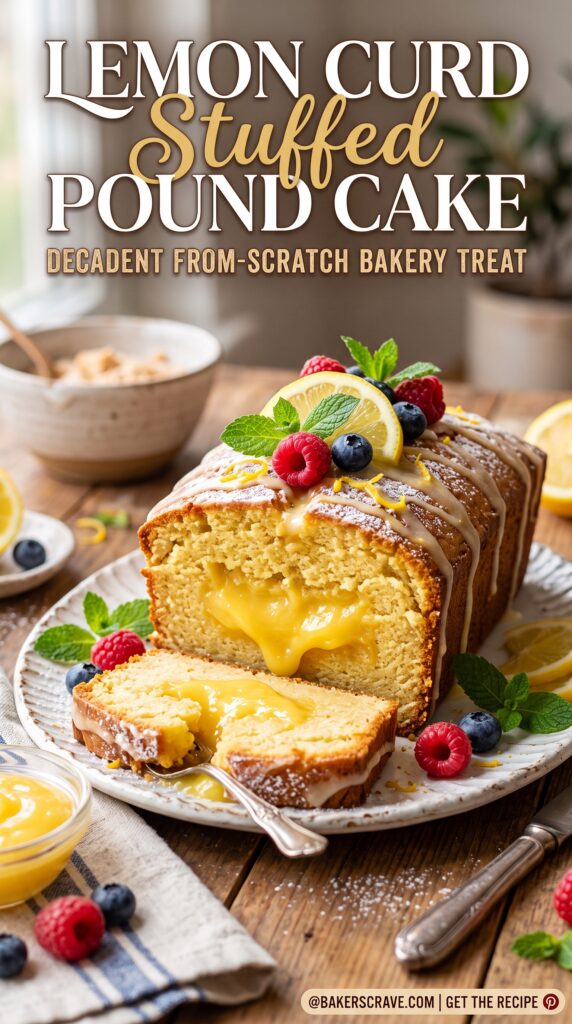
- Lemon Blueberry: Toss 1 ½ cups of fresh blueberries in 1 tbsp of flour, then gently fold them into the batter before baking.
- Lemon Poppy Seed: Add 2 tablespoons of poppy seeds to the dry ingredients for a classic, nutty crunch.
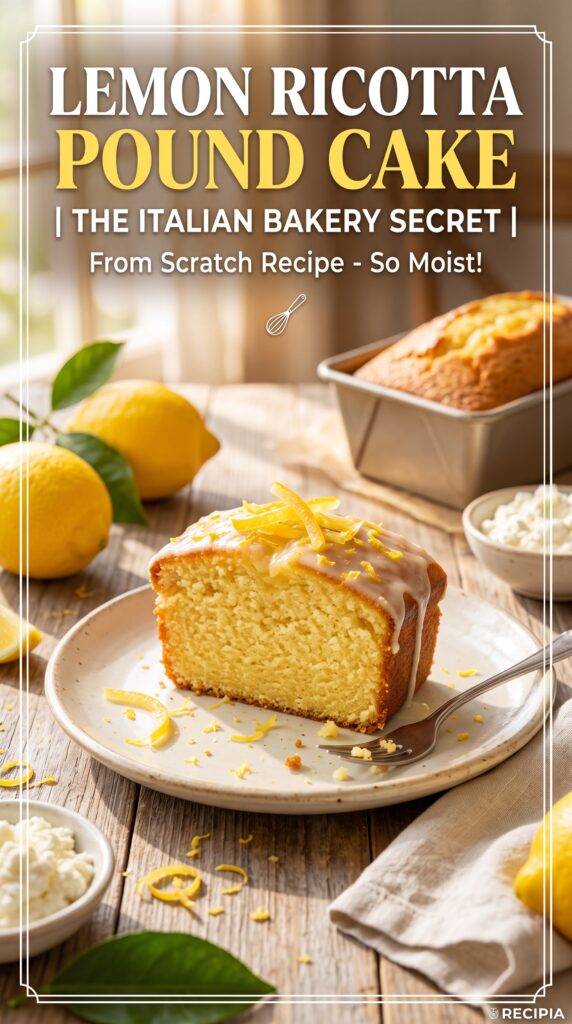
- Lemon Ricotta: Substitute the sour cream with 1 cup of whole-milk ricotta cheese for an ultra-tender, Italian-style crumb.
- Gluten-Free: Swap the all-purpose flour for a high-quality 1:1 Gluten-Free baking flour (ensure it contains xanthan gum).
Storage and Freezing Instructions
- Room Temperature: Store the glazed cake in an airtight container at room temperature for up to 4 days. The flavor actually improves on day two!
- Refrigerator: Keep it in the fridge for up to 7 days. Bring to room temperature before serving for the best texture.
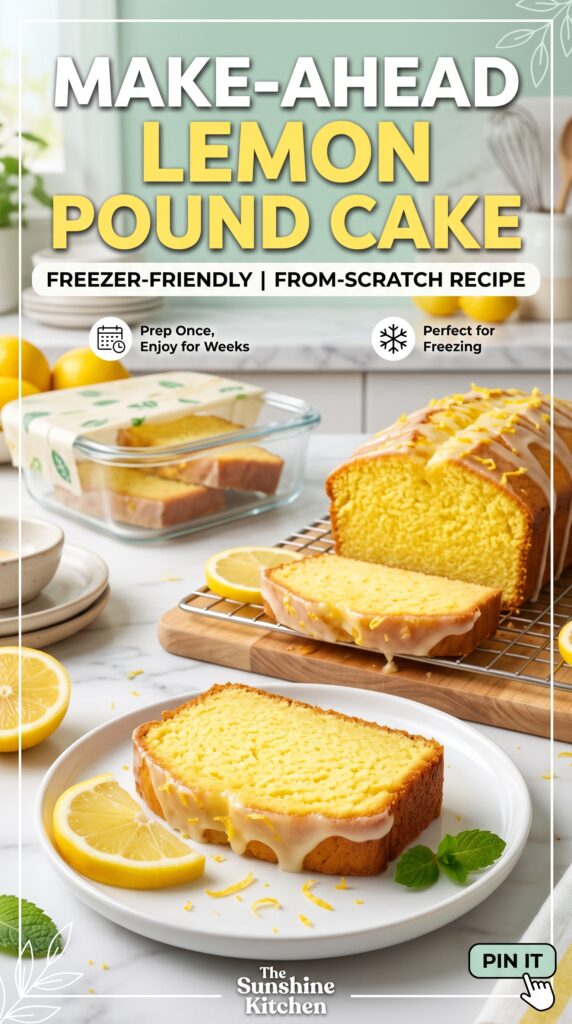
- Freezer Friendly: This cake freezes beautifully! Wrap the unglazed cake tightly in plastic wrap, then in aluminum foil. Freeze for up to 3 months. Thaw overnight in the fridge, bring to room temp, and add the glaze right before serving.
ucho tráfico a tu blog! Si necesitas ajustar el tono o añadir alguna sección extra, solo dímelo. 🍋🍰✨